
From Acronym to Market Reality: The Rise of “DACH”
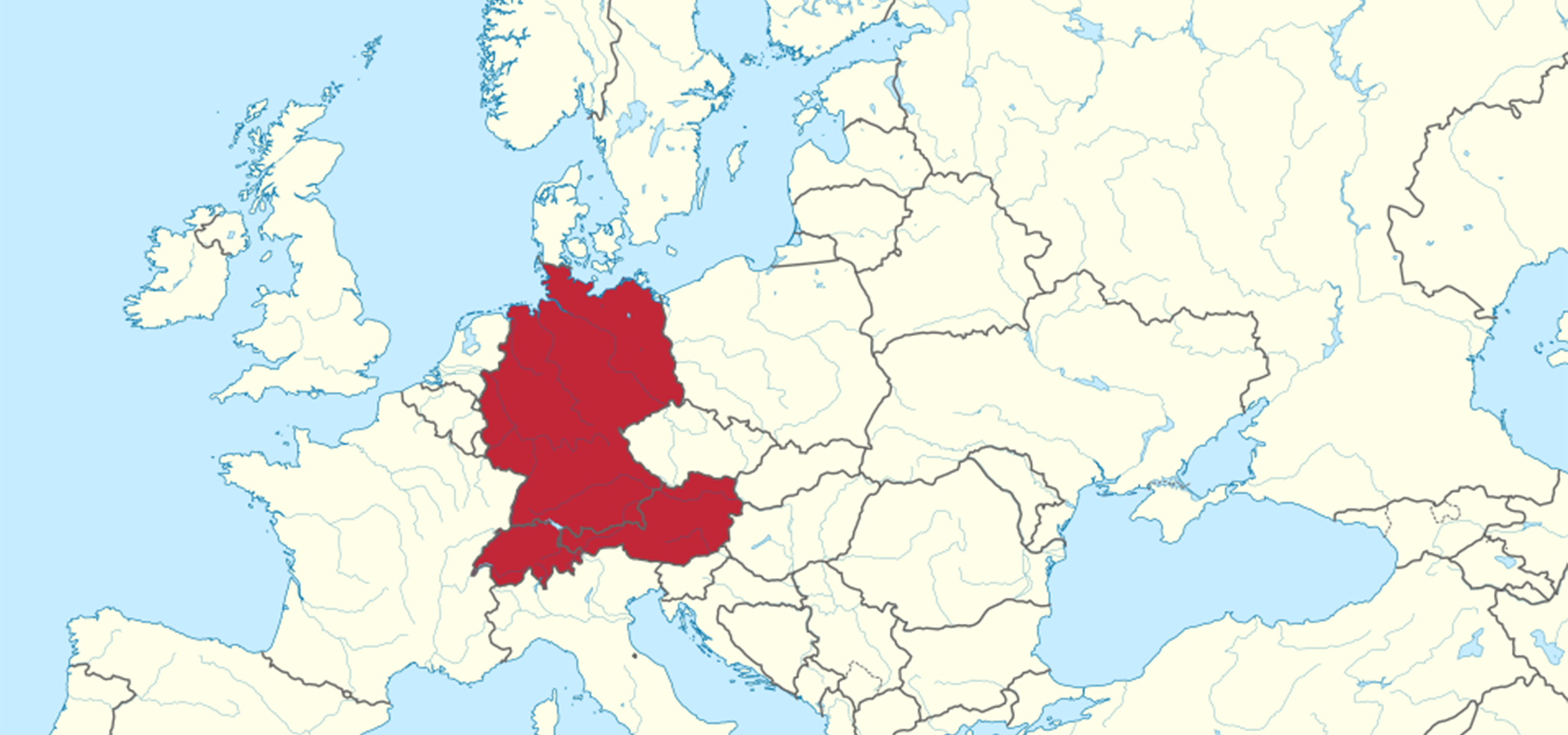
Image Source: Wikimedia Commons (OpenStreetMap contributors)
The term DACH entered mainstream business vocabulary in the late 20th century (1980s–1990s), as European markets began integrating more deeply and cross-border trade intensified.
The acronym is derived from vehicle country codes:
- D – Germany (Deutschland)
- A – Austria
- CH – Switzerland (Confoederatio Helvetica)
Over time, DACH evolved from a simple abbreviation into a strategic business classification, widely used by global enterprises, consulting firms, and policymakers.
A neat linguistic coincidence adds to its appeal: “Dach” means “roof” in German, symbolizing a shared economic and cultural covering across these three nations.
What DACH Represents Today
DACH brings together three highly advanced economies:
- Germany – Europe’s largest economy and industrial backbone
- Austria – A gateway economy bridging Western and Eastern Europe
- Switzerland – A global hub for finance, precision engineering, and innovation
While each country has its own regulatory and cultural nuances, together they form a cohesive economic cluster with:
- Shared linguistic foundations
- Strong intra-regional trade
- Comparable business cultures rooted in precision, reliability, and long-term thinking
For international companies, DACH is often approached as a single strategic market entry region.
DACH by the Numbers: Scale Meets Sophistication
Economic Power
- Combined GDP: ~USD 5–6 trillion
- Equivalent to one of the largest economic blocs globally
- Germany alone ranks as the largest economy in Europe
Population
- Combined: ~100+ million people
- Germany: ~84M
- Austria: ~9M
- Switzerland: ~9M
Per Capita Income
- Germany: ~$50,000
- Austria: ~$55,000
- Switzerland: ~$90,000+
Human Capital
- Strong dual education systems (vocational + academic)
- Highly skilled workforce with deep engineering and technical expertise
- Consistently high rankings in innovation and productivity
What Makes DACH Distinct (and Often Misunderstood)
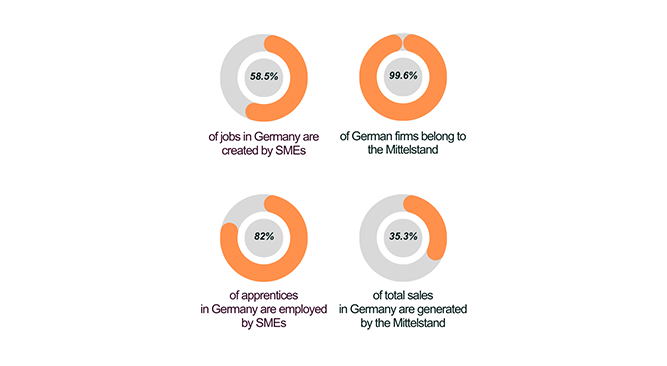
1. The Mittelstand Advantage
- Small and mid-sized, often family-owned enterprises
- Global leaders in highly specialized niches
- Built on long-term orientation, craftsmanship, and innovation
These “hidden champions” quietly power global supply chains and are often key decision-makers in B2B ecosystems.
2. Engineering Excellence and Export Strength
DACH economies are deeply export-driven:
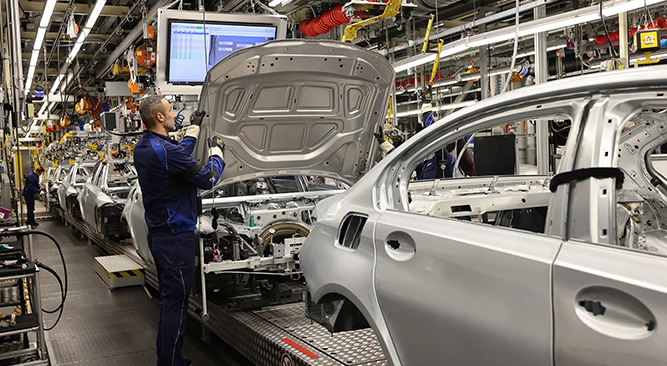
- Germany: Automobiles, machinery, industrial systems
- Switzerland: Pharmaceuticals, precision instruments, luxury goods
- Austria: Engineering, manufacturing, and niche industrial sectors
This region is not just productive—it is globally competitive at the highest quality tiers.
3. Trust-Based Business Culture
Doing business in DACH comes with specific expectations:
- Precision and quality are non-negotiable
- Decision-making is structured and data-driven
- Relationships are built on credibility and consistency over time
Deals may take longer to close—but once established, partnerships are stable and long-lasting.
4. High Purchasing Power, Thoughtful Consumption
Consumers and enterprises alike:
- Prioritize value, durability, and reliability
- Are less driven by impulse and more by informed decision-making
- Exhibit strong brand loyalty once trust is established
This makes DACH a premium but demanding market.
5. One Language, Multiple Market Realities
While German is the common thread:
- Switzerland operates across German, French, and Italian regions
- Austria has its own linguistic and cultural nuances
- Germany itself is regionally diverse
For businesses, this means:
- Localization is not optional—even within a shared language zone
Why DACH Matters for Global Businesses
DACH’s global importance extends beyond its size:
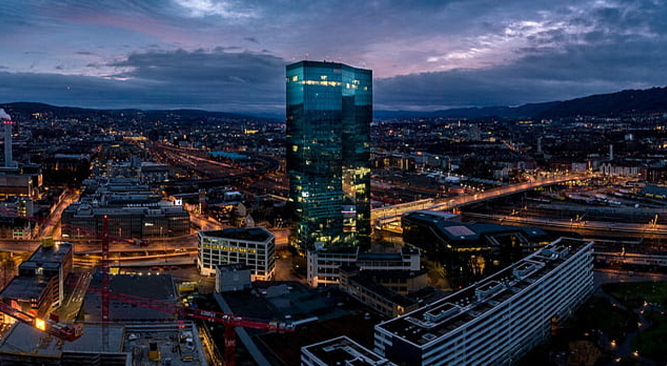
- Financial Centers: Frankfurt and Zurich anchor global finance
- Innovation Ecosystem: High R&D investment and patent output
- Industrial Backbone: Integral to global manufacturing supply chains
- Gateway to Europe: A strategic entry point into the broader EU market
For companies from India and other growth markets, DACH offers:
- High-value opportunities
- Sophisticated customers
- Long-term partnership potential
—but requires careful market understanding and strategic positioning.
Closing Perspective: Bridging DACH and the World
DACH is more than a geographic cluster—it is a high-trust, high-performance economic ecosystem that rewards quality, consistency, and commitment.
For businesses looking to engage with Europe meaningfully, understanding DACH is a critical first step.
At Indo-DACH, we bring a deep, practical understanding of both ecosystems—India and the DACH region. This enables us to bridge cultural, commercial, and operational gaps, helping companies on either side to enter, trade, collaborate, and ultimately thrive in these markets.
Bibliography & References
- European Commission – Economic Data
- World Bank Data (GDP, Population, Income)
- OECD Economic Outlook Reports
- Germany Trade & Invest (GTAI)
- Swiss Federal Statistical Office
- Austrian Federal Economic Chamber (WKO)
- Invest in Austria
Image Credits
Images sourced from: Wikimedia Commons (OpenStreetMap contributors), Unsplash — Florian Wehde (Berlin), Jacek Dylag (Vienna), Henrique Ferreira (Zurich), and various contributors from Unsplash & Pexels.